How safe is flying? Here's what the statistics say
READ MORE
An independent report into Malaysia Airlines moody MH370 expelled this week catastrophic to establish a means of a plane’s disappearance.
The 239 people on house are reputed upheld and it stays one of a biggest tragedies and mysteries of a complicated aviation era.
It has also lifted questions about a reserve of flying.
How protected is flying?
Statistically speaking, drifting on a blurb airliner is a safest form of ride there is, according to a US National Safety Council.
There are a operation of estimates out there, though formed on a research of US Census data, it puts a contingency of failing as a craft newcomer during 1 in 205,552. That compares with contingency of 1 in 4,050 for failing as a cyclist; 1 in 1,086 for drowning, and 1 in 102 for a automobile crash.
That’s since alongside technological improvements to aircraft over a decades, a whole complement of general atmosphere transport is delicately regulated.
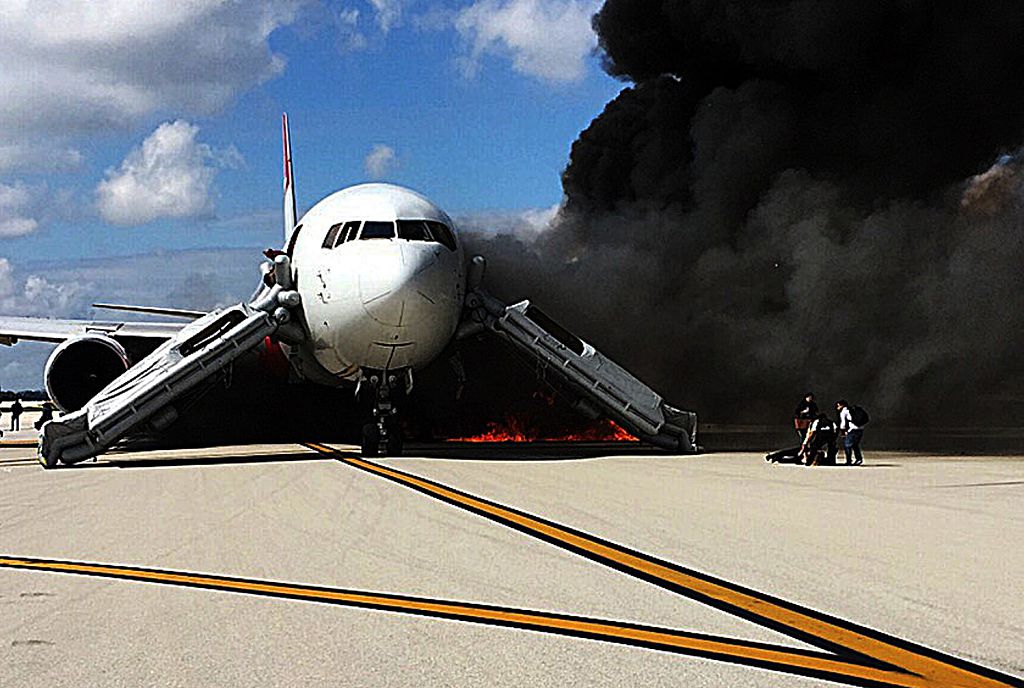
“The whole complement is designed to make we safe,” US aviation author and author Christine Negroni told SBS News.
“We know who is in any singular craft around you, who is determining a airspace around you, how a automobile has been maintained. You don’t have that in a car, sight or bus.”
Are many accidents fatal?
The deadliest craft pile-up in story happened in 1977 in Tenerife, a largest of Spain’s Canary Islands. Two planes collided on a runway and 583 people were killed.
The Canadian-based International Air Transport Association (IATA) represents 290 airlines (or 82 per cent of tellurian atmosphere traffic). It says a five-year normal from 2012 has been 75 accidents a year, (almost 11 of them with fatalities) per 37.3 million yearly flights. That’s an normal of 315 people failing a year in craft crashes over a past 5 years. But in 2017, there were customarily 19 deaths.

Those statistics also exhibit something that Ms Negroni pronounced is small understood: even if we are hapless adequate to be in an atmosphere accident, we are expected to tarry it.
“The series a US National Transport Safety Bureau gives out is that 95 per cent of all accidents have survivors, that is a conflicting of what people say.”
Which airlines are a safest?
Western Australia-based Aviation publisher Geoffrey Thomas has grown a seven-star rating complement to arrange a world’s safest airlines on a website AirlineRatings.com. Australian travellers will be gratified to hear that Qantas and Virgin Australia are in a tip 20 of 2018.
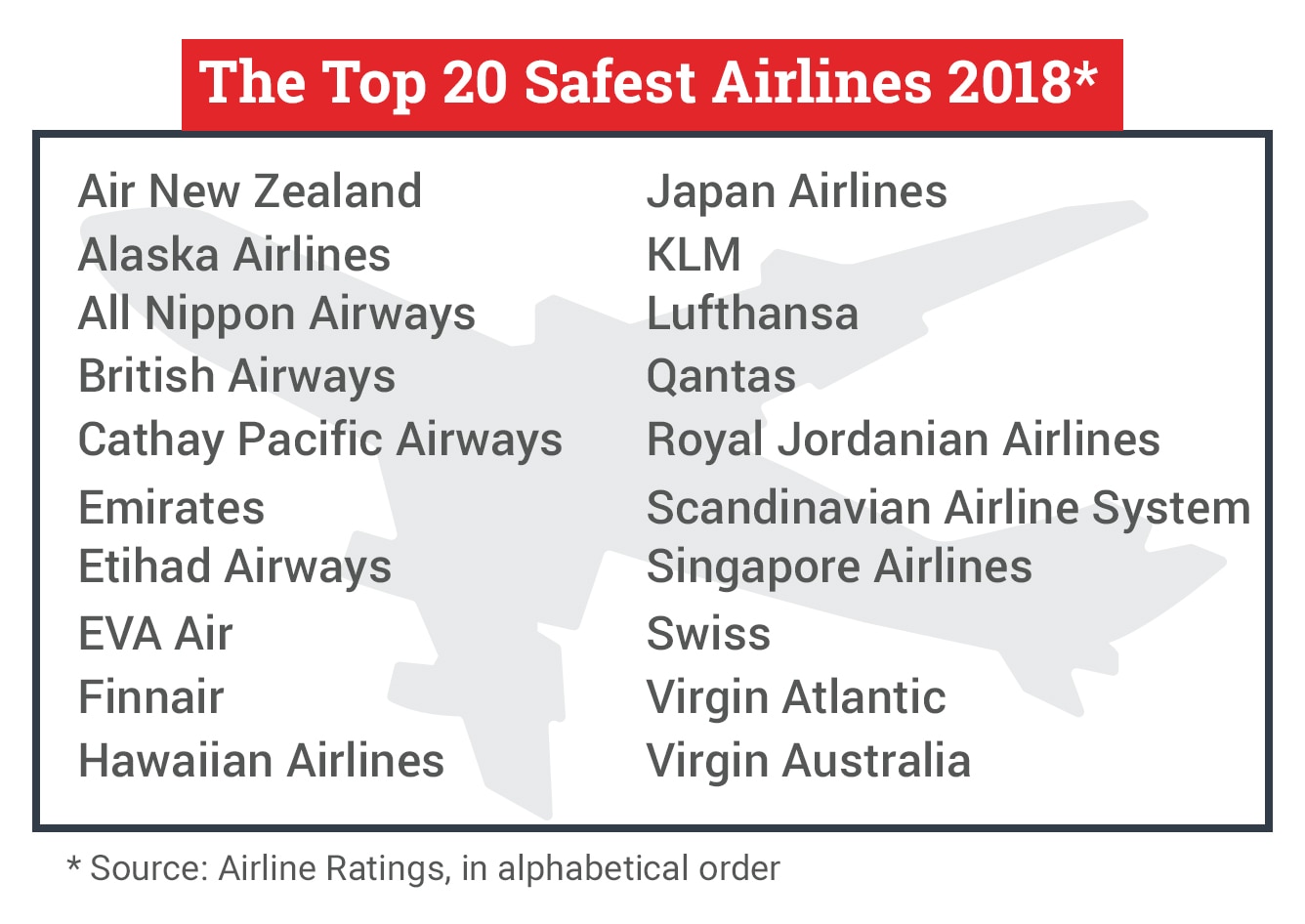
Mr Thomas’s rating complement is formed in partial on a IATA Operational Safety Audit of airlines’ government and control systems. Airlines that have upheld a biannual IOSA review automatically get 3 stars.
“Safety has softened dramatically since of IOSA,” Mr Thomas told SBS News.
“Over 4 billion people fly any year, and a series of fatalities is minimal, tiny. If you’re drifting in a US or Europe or Australia, a chances of being concerned in an collision on a blurb jet airliner are probably zero.”
The rating also takes into comment a authorised and reserve slip systems of any nation (things like atmosphere navigation and a peculiarity of regulators); a EU criminialized list that blacklists dodgy airlines; and a airline’s collision rate over a past decade (not including acts of terrorism or suicide).
“Aviation is hidden in mystery,” he said. “The sorcery of moody is also a poser of flight. Lufthansa estimates 70 per cent of people who fly have some grade of fear of flying, 30 per cent of people have a critical fear or drifting and they use reserve as a initial criteria when they make a booking.”
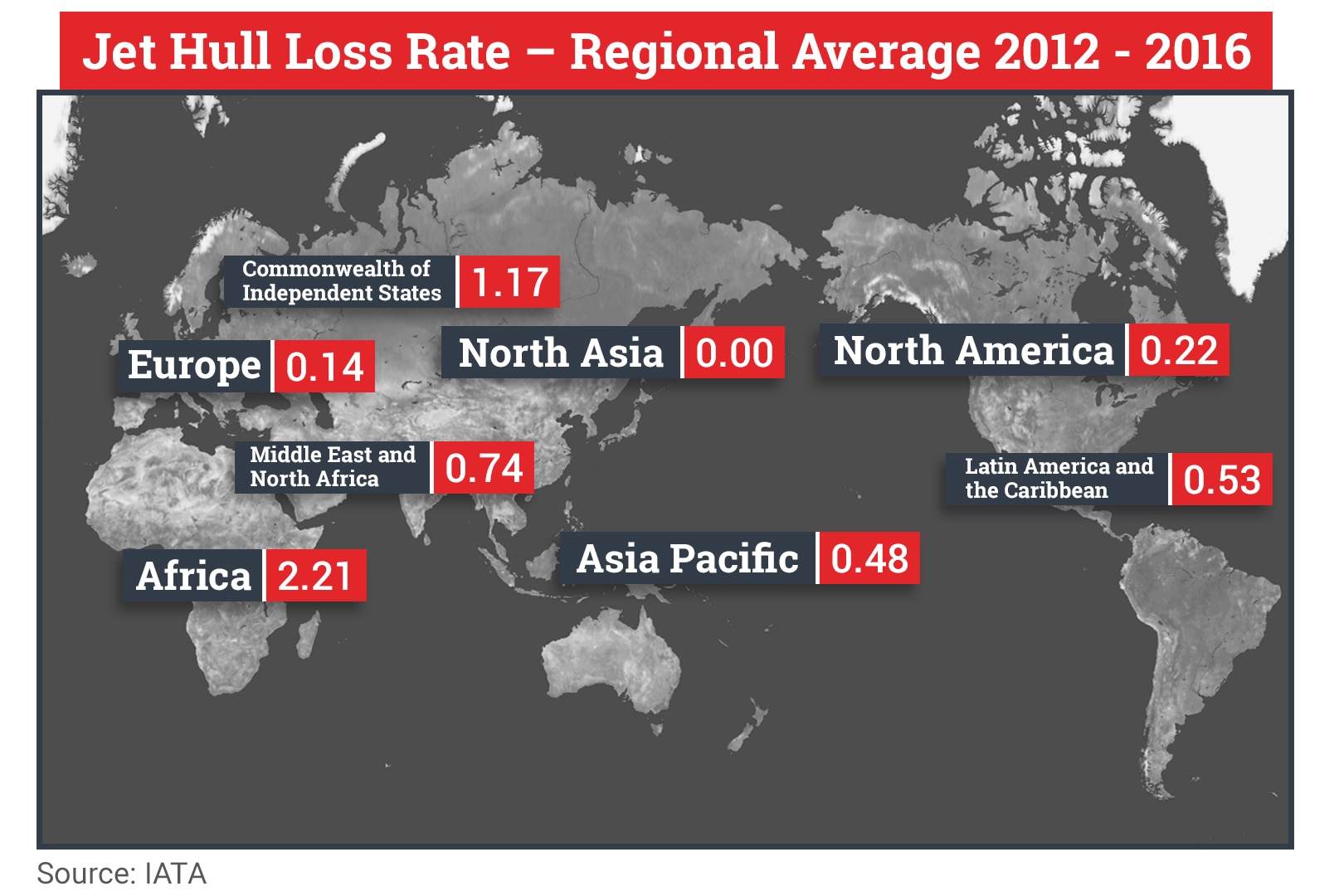
Some regions are safer than others too. IATA’s statistics uncover that critical accidents are some-more common in Africa and a Commonwealth of Independent states (that’s a former Soviet Republics).
What causes craft crashes?
Dr Ron Bartsch, a Sydney-based chair of aviation reserve consultancy organisation AV Law pronounced 85 to 90 per cent of accidents these days are caused by tellurian error.
“Accidents are customarily tellurian means related,” he told SBS News.
“It is 680-fold safer to fly in an aircraft now afterwards what it was after World War II. Nearly all of those advances, adult until turn about a mid-90s, were due to technological development. The jet engine was some-more reliable, a growth of radar, anti-collision systems, belligerent vicinity warning systems, modernized simulator training. All those things have led to an implausible rebate in a series of accidents.”
In fact, it’s some-more accurate to cruise contributing factors rather than causes of crashes, pronounced Ms Negroni.
“No collision has usually one cause. In a atmosphere reserve world, we always contend that an collision is a outcome of an consecutive sequence of events. One mangle in that sequence and a collision would not happen,” she said.
Could MH370 occur again?
Malaysia Airlines moody MH370 left in Mar 2014 on lane from Kuala Lumpur to Beijing.
The organisation of a Boeing-777 final done hit with belligerent staff about 40 mins after take-off, and a craft was tracked by troops radar for another hour as it deviated westward from a designed lane before vanishing. All 239 people on house are reputed dead, and tens of millions of dollars have been spent on catastrophic searches.
An eccentric Malaysian news into a moody was “unable to establish a genuine reason for a disappearance”, though Chief Investigator Kok Soo Chon said: “We are not of a opinion it could be an eventuality committed by a pilot.”
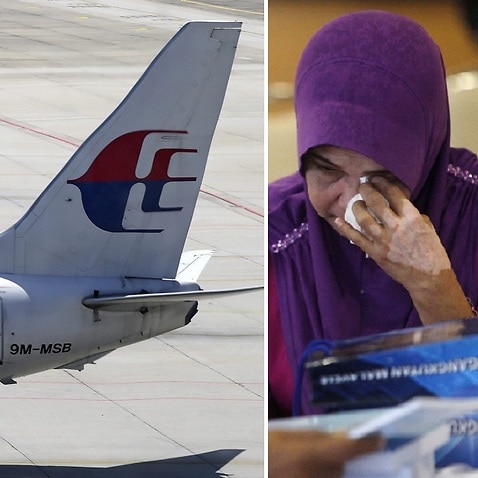
Many analysts, including Mr Thomas, trust commander self-murder is a many likely.
“[With MH 370] we strongly think commander suicide, that does occur from time to time. Absolutely horrifying, though as a commission of a series of flights, about 13 cases in 50 years, it’s roughly not recordable,” he said.
“But no one unequivocally knows what happened.”
Ms Negroni says there are other probable explanations, that she minute in her 2016 book Crash Detectives.
These lines of exploration embody either a craft suffered remarkable depressurisation and a commander was influenced by hypoxia (low oxygen) that would deteriorate his skills and settlement (she argues a turns in a moody trail uncover “clear justification of fallacious action”). Rather scarily a 2006 Australian Transportation Safety Bureau investigate catalogued 500 depressurisation events over a preceding 30 years, mostly in blurb jets.

Ms Negroni also says a plcae of a galley above a wiring brook that in other planes has seen glass trickle onto a apparatus underneath could have been a factor; such as happened in a Qantas moody between London and Bangkok in 2008 (the commander managed to land that craft safely though electrical power).
Airlines are compulsory to be means to closely lane their planes in flight, though Ms Negroni says Malaysia Airlines’ possess reserve staff warned government 7 months before MH370 left that their systems could customarily lane planes any half hour. Making certain airlines are agreeable with tracking regulations is critical to safeguard such an eventuality does not occur again, she said.
Mr Thomas pronounced changes to charge visit tracking are being rolled out globally.
Article source: http://watoday.com.au/queensland/debbie-recovery-a-long-and-winding-road-map-20170509-gw0kx7.html


Comments
Post a Comment